I’m excited that you read, or are reading Generative Engine Optimization: The Definitive Guide to AI SEO. As we all know, GEO moves fast (and I moved fast to write this as a byproduct), and because of that, there are a few updates and corrections I’d like you to know.
The changes below apply to printing SKY10165732_081926 only. Most readers of the digital version have the corrections already applied. If you received a bookmark with the physical version, these corrections apply to you.
Updates
I could continue to add more and more advanced GEO tactics to the book as time passes. I don’t think much I said in the book is wrong, but it could be built on with better and better tactics. A few things I’ve thought about post publish:
1. Adding a how-to around JavaScript and server-side rendering.
Josh did a great job talking about the technical intricacies of AI, but we didn’t go to as much detail on how to analyze and fix issues that may be impacting LLM visibility.
To cover that gap, you can see this full guide our technical director, Andrew Craig, put together for you and your development teams to utilize to fix any rendering issues.
2. Reframing the subtitle: “The Definitive Guide to AI SEO” to not use “definitive”.
I thought of this word as “singular” in the publishing process, not the part of the word that means “leaving no room for further change”. Obviously, this world is changing, and it currently reads a little too clickbaity than I’d like.
3. Putting more emphasis on the power of versus pages.
We ran a study showing how strong versus pages are for overall visibility. In the book, I mention versus pages, but don’t give them quite enough run for how much impact they are having now.
4. Reframing common LLM citation sections to domain types over an emphasis on networks.
Reddit has seen some recent decline in ChatGPT visibility. It still isn’t going away as an area of influence, but I would have preferred to angle that section more to the idea of the LLM value of community and reputation management, rather than just on Reddit.
Thinking of our LLM strategy from that angle is far more evergreen and less likely to be at the whim of potential citation influence changes. Regardless, I stand by including the section and wouldn’t remove the detail on Reddit today.
5. Putting more emphasis on the impact of CRO.
We’ve been thinking more about convincing LLMs to buy, just like we do users. I touched on CRO best practices throughout the book, but didn’t directly tie them to LLM influence.
Updating your site with awards and credibility statements (testimonials, case studies, trust-inducing data points) sitewide is the clearest path to doing that.
Changes
Page 39: This sentence: “Wil Reynolds, founder and VP, Innovation at Seer Interactive, even pulled out his own data to show the link between traffic and revenue was not casual (Figure 1.35)” should say “revenue was not casual”.
Page 111: Akvile Harlow’s name should be updated to Akvile DeFazio, and “AKvertise Social Media Marketing” would be more accurately framed as a “social media advertising agency”, given the agency’s focus on paid approaches.
Hopefully this anchor text link goes part of the way towards making up for that mistake. Sorry Akvile!
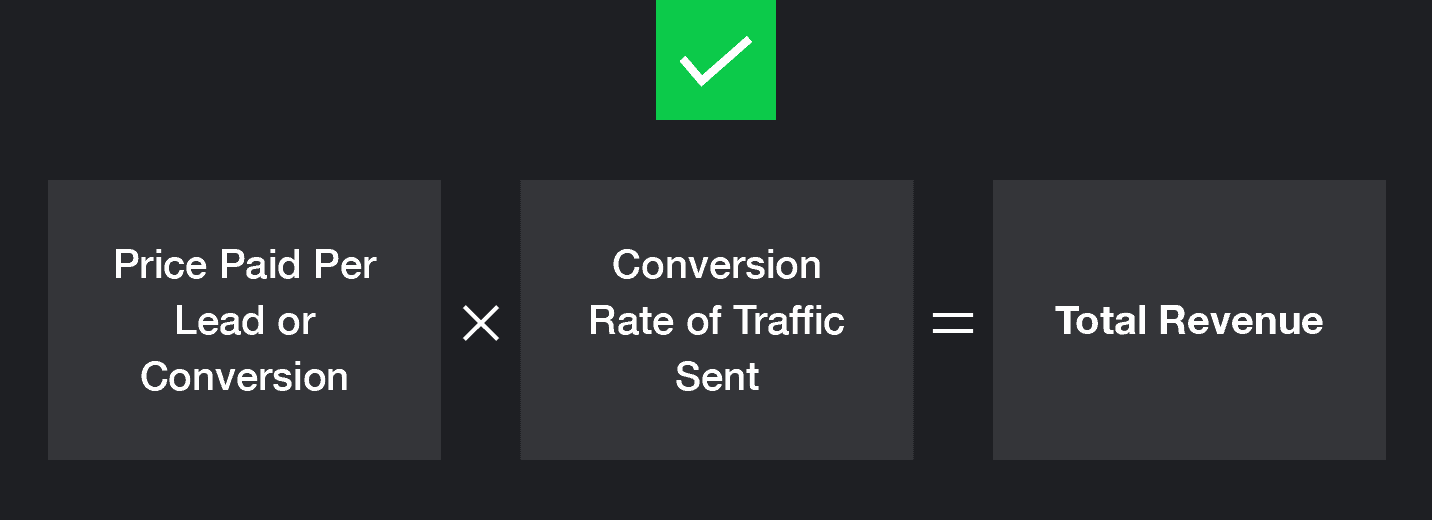
Page 126: This equation:
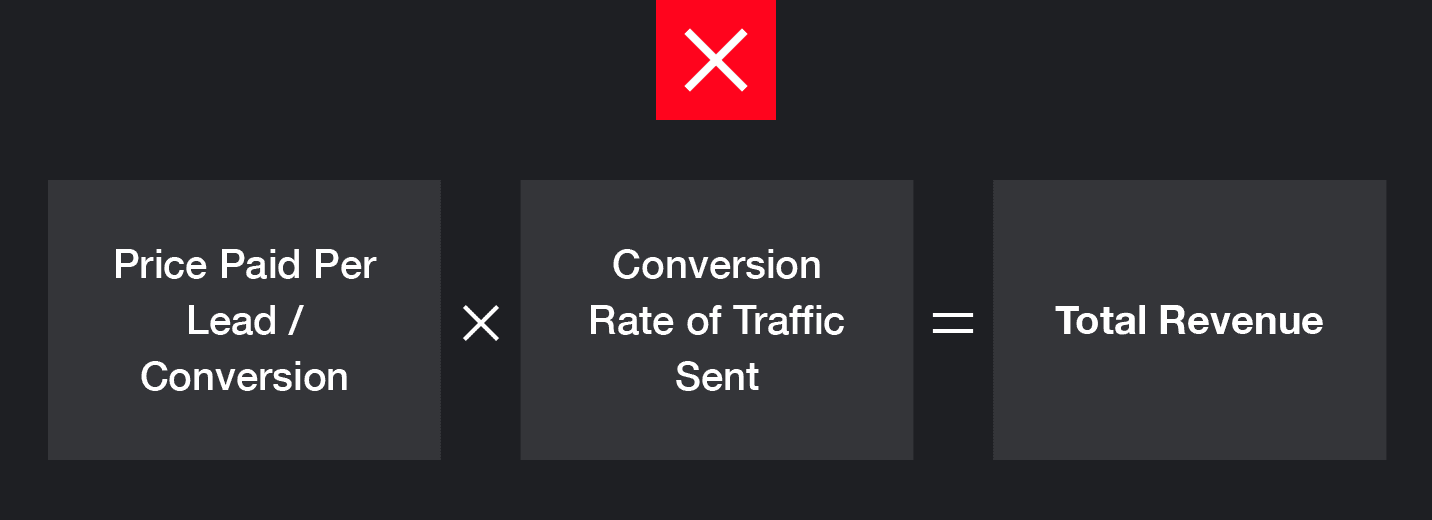
Should be updated to “Price Paid Per Lead or Conversion”, as stated, it reads as division rather than an alternative metric for the equation.
Page 129: This sentence: “One of the best ways to do that is with a better landing page CRO” should read “One of the best ways to do that is with better landing page CRO” for clarity.
Page 132: This statement: “In the aim of influencing LLMs, YouTube is unique in that it’s impossible to get included in a video already sourced. That would require unpublishing and republishing that video, creating a new URL, and losing the source influence.” is technically incorrect.
You can actually edit videos post-publish despite the difficulty/rarity of doing so.
Page 140: The subheader “Usability Iterations over SEO Ones” should use proper title case: “Usability Iterations Over SEO Ones”.
Page 146: “Use case for industry” should be “Use case for industry”, and the ending statement “than its shorter brethren, “use case”” should also use italics for “use case” to make clear that the italicized words are meant to be keywords.
Page 147: I shared several industry examples on this section about industry roles, such as “project management software for agencies differs significantly from that for operations”.
This should have been replaced with job titles for clarity, such as “project management software for marketing differs significantly from that for operations. CRM software for CROs is significantly different than CRM software for financial advisors”.
Page 158-159: The “Best for … What?” section is a bit redundant to a previous section where I made these same points. Possible you didn’t notice, but hopefully it helped emphasize the point if nothing else!
Page 171: The final part of this equation included “LLM and “SEO” when it should not have, as it was meant to be inclusive of all data shown.
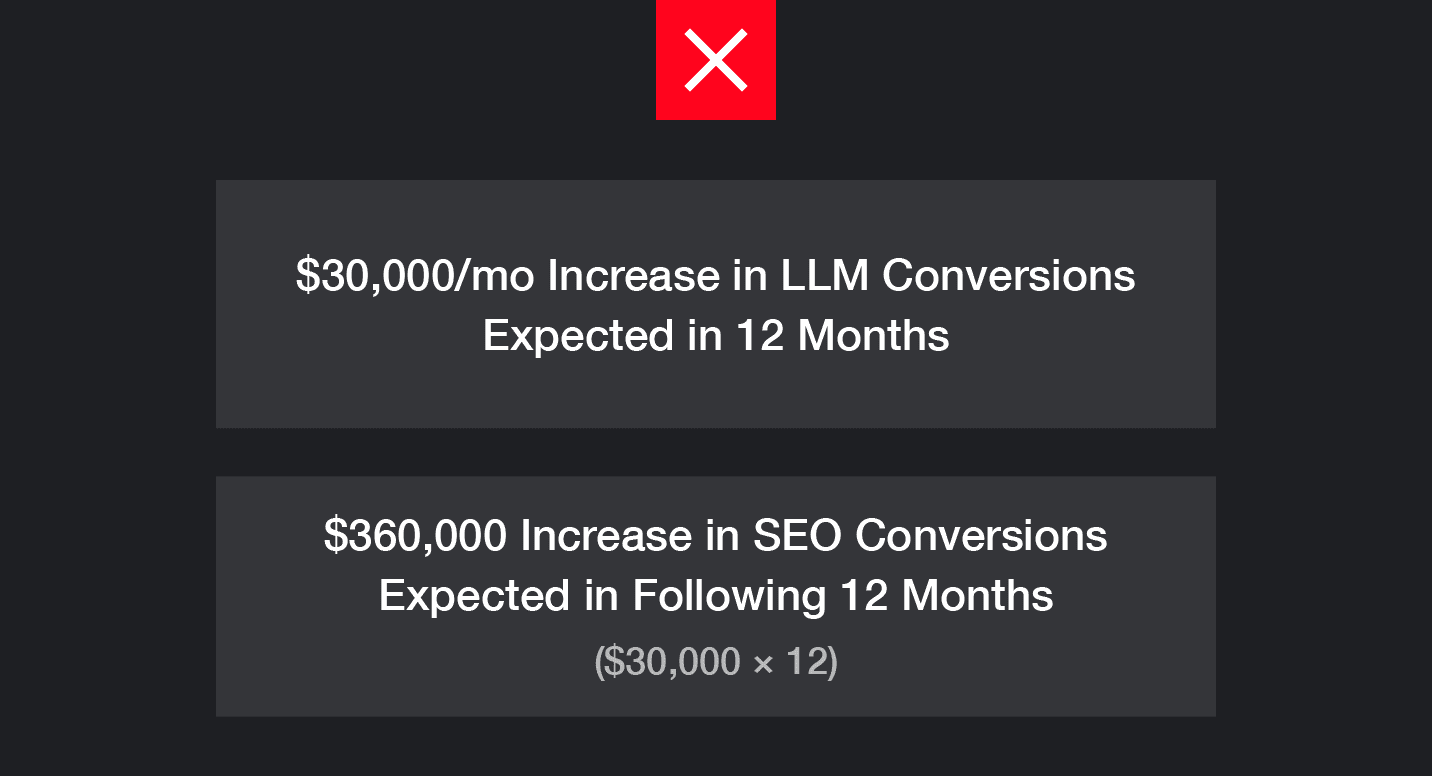
Update:
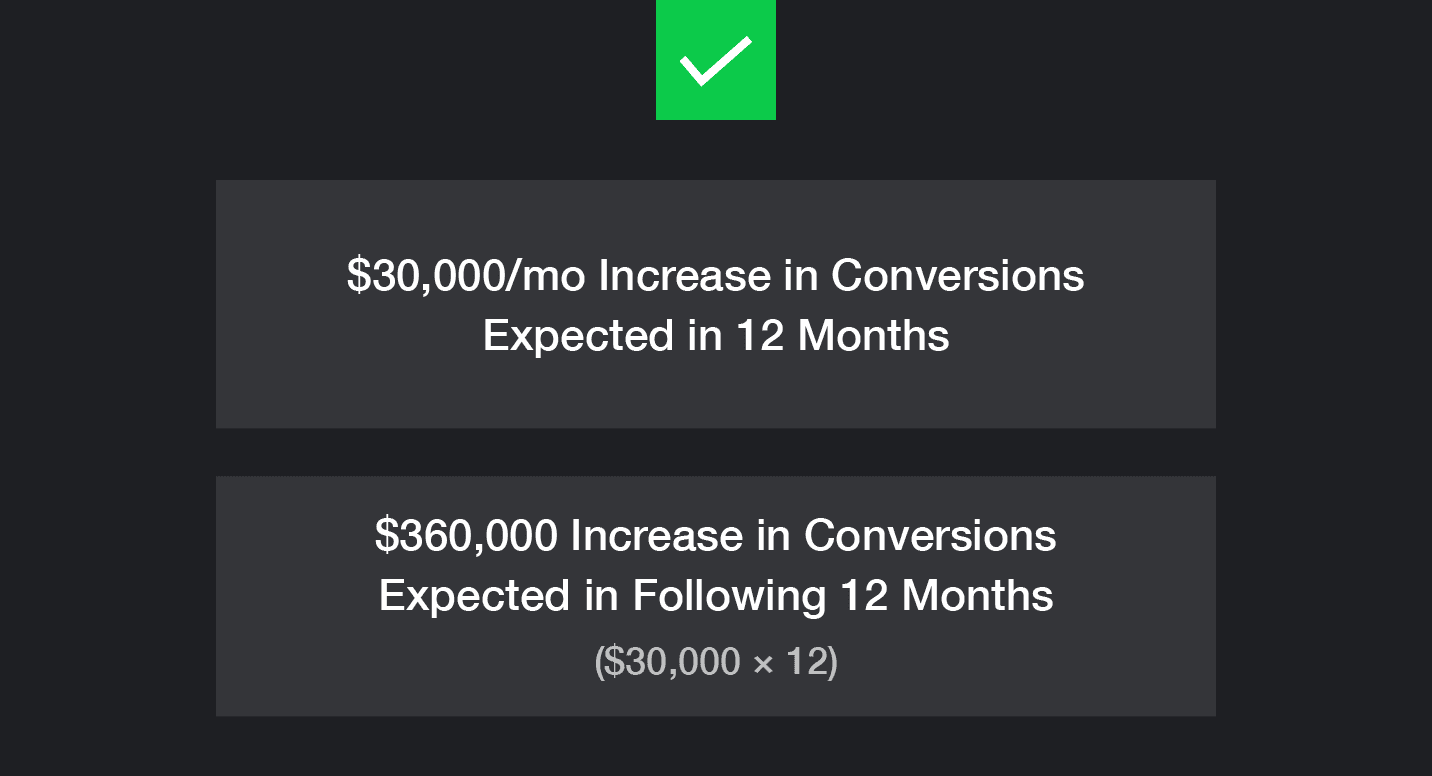
Page 206: There is an erroneous phrase overhang, “before the update date on the blog, such as.” which should not be there and read as “before the update date on the blog.” due to not catching this in the printing phase.
Provide Feedback
If you see anything not listed here, by all means your feedback is appreciated. Please email me direct at ross@siegemedia.com. If I can find a way to thank you, I will!