Search and SEO aren’t dead, but generic pages that don’t serve specific audiences are, especially as AI continues to narrow the search playing field in more ways than one.
Before ChatGPT, Gemini, and like LLMs took over search, most SEO strategies were grounded in content optimized for a specific keyword or closing a content gap with a competitor.
Now, marketers must move beyond this cast-a-wide-net approach and get specific—every business needs to cater to its ideal customer profiles (ICPs) and create a product page specifically for them.
This is product page mapping, a critical, generative engine optimization (GEO) tactic and a best practice for conversion rate optimization.
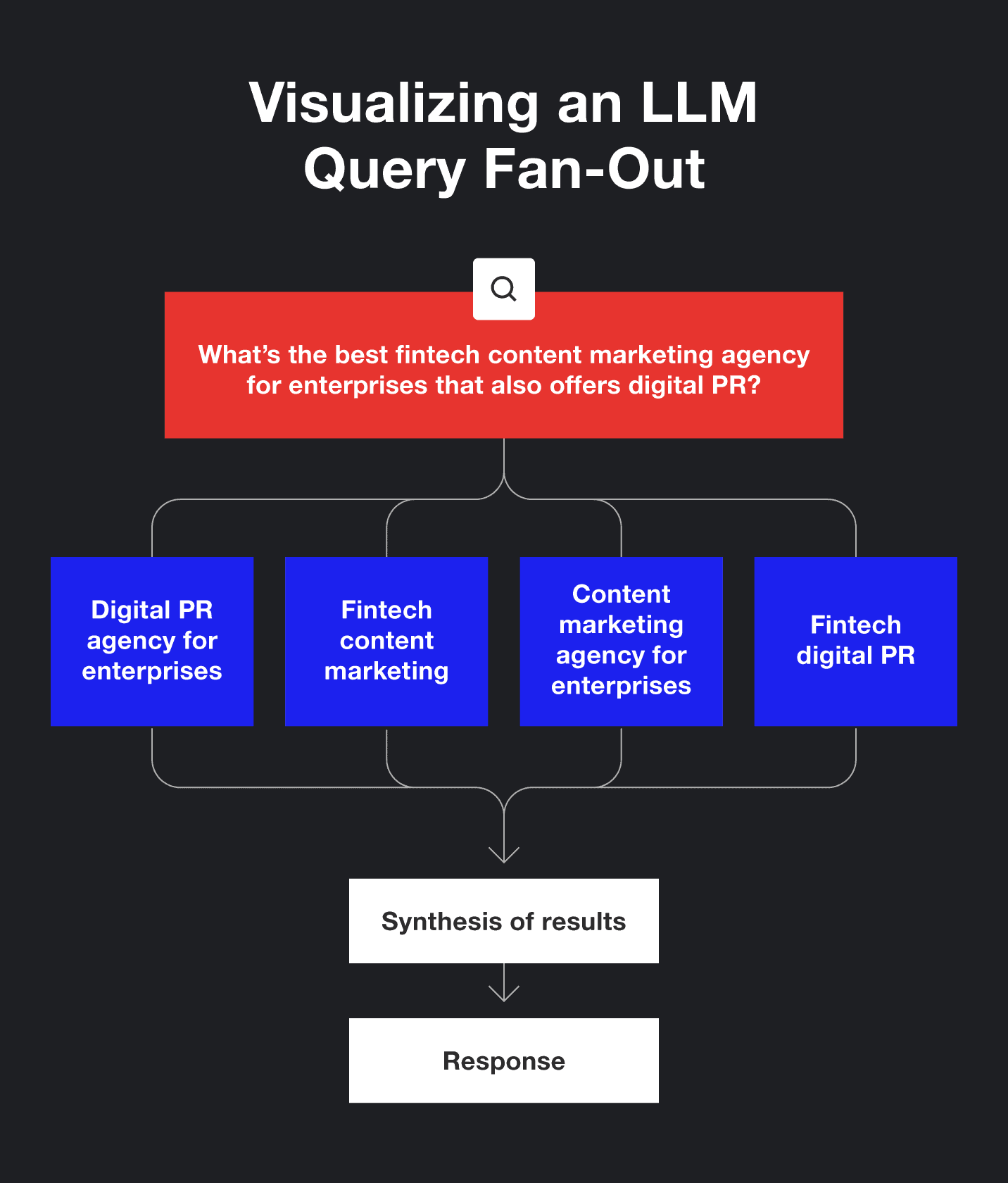
When users turn to LLMs for answers, they don’t stick to broad keywords. They get specific, giving context on their background. From company size and industry to role and use case, users give examples of their ICPs. LLMs are receptive to these hard signals, using query fan-outs to crawl different pages and synthesize a bespoke answer for the user.
Let’s dive deeper into this concept, including how to get started with your brand.
- From Perception Marketing to Hard Signaling
- Product Page Mapping As a Conversion Play
- How To Start Product Page Mapping
- Case Study: How Product Page Mapping Lifts Siege Media’s Results
- Drive Real Authority and Results With Product Page Mapping
From Perception Marketing to Hard Signaling
Perception marketing, or soft signaling, is no longer enough. LLMs require hard, specific signals that tell a search engine exactly what you’re looking for.
This is especially true as generative tools and AI agents use query fan-outs to expand single AI prompts into related, nuanced sub-queries. For example, a user’s broad query may be:
- Best content marketing agencies…
As they continue chatting with an LLM, they’ll get more specific with their needs, such as sharing:
- …for enterprise companies (company size)
- …that specialize in health and wellness (industry)
- …with DPR and technical SEO services (use cases)
Each of these narrowings, or fan-outs, prioritizes a hyper-specific need the user is looking to fulfill. If you’ve focused solely on homepage SEO or generic pillar pages, you could go unnoticed or uncategorized by the AI tool, despite your best efforts.
However, by moving from implicit to explicit signaling by creating product pages catering to each of your ICPs, you improve your chances of appearing in LLMs. That’s because the LLM doesn’t need to guess what you specialize in (or what you offer) — you’re telling it exactly who and what you serve.
Product mapping key takeaway:
The old saying goes: Show, rather than tell. Well, AI search engines are turning this phrase on its head. Now, you must tell these engines exactly what you offer, and who you offer it to.
Product Page Mapping As a Conversion Play
When an interested customer lands on your site, they want to see precisely how you plan to make their jobs easier.
Let’s say you’re an employee at a hospital in charge of selecting a new customer service software. To make an informed decision, you’ll need to see:
- Industry-specific terminology (i.e., HIPAA compliance)
- Case studies of like-minded (or competitor) businesses
- Features that solve their specific problems
- Hyper-relevant demos that prove the product’s capabilities
Product page mapping ensures that the moment someone visits your site, your leads feel you built the product specifically for them. And as LLM citations and brand mentions continue to send qualified traffic to product pages, it’s more important now than ever to explicitly target your ICP and be direct about your offerings.
Consider these “nice-to-have” pages officially promoted to “must-have” conversion tools.
“Product page mapping is a brand-first alternative to a traditional ‘best X’ approach. By mapping long-tail pages to specific ICPs, you can rank for high-intent landing pages that act as a primary signal for LLMs, making sure you dominate the query fan-outs that drive actual revenue.”
Ross Hudgens
Founder/CEO, Siege Media
How To Start Product Page Mapping
Aim to build authority with a brand-first strategy that goes beyond high-volume keywords. Consider these tips for creating your must-have pages.
1. Identify Your ICPs
Your ICPs are the backbone of a product page mapping strategy, so you need to know them (and their pain points) intimately. To identify them, consider:
- Business size: What business segments does your product cover?
- Industry: What are your dedicated verticals?
- Role: What teams and individual roles does your product impact?
- Use cases/solutions: How is your product used, and what pain points does it solve?
If you’re unsure how or where to get this information, pull insights from:
- Internal ICP documents
- Sales recordings
- Customer service calls
- Customer reviews (on sites like Google and G2)
- Competitors who already have mapped product pages
By visualizing your site as a grid of industries, roles, and solutions, you can identify where you need to step up and build authentic pages for specific ICPs, as showcased below:
| A Workforce Management Software’s Product Mapping Matrix | ||
|---|---|---|
| Business Type | Use Case | Industry |
| Workforce management software for small businesses | Workforce management software with time tracking | Workforce management software for call centers |
| Workforce management software for nonprofits | Workforce management software with an employee knowledge base | Workforce management software for construction |
| Workforce management software for enterprises | Workforce management software with payroll integration | Workforce management software for healthcare |
2. Optimize for Long-Tails
In the context of product page mapping, achieving high-intent coverage beyond high-volume traffic matters. While many businesses target broad keywords like “hospital management software,” fewer brands optimize their pages for long-tail intent. Think: “hospital management software for rural centers with 75+ employees.”
Focusing on these long-tail variations allows you to build a map of pages that prove precisely who you’re for, and you’ll, in turn, attract the audience for whom you’re the best solution. To do so:
- Include secondary entities: Look beyond your primary keyword and define the secondary terms crucial to your ICPs, such as industries, company size, roles, use cases, or locations.
- Prioritize answer-first headers: Structure long-tail pages so your subheadings directly answer the most likely queries, serving both human users and AI crawlers.
- Leverage terminology: Audit your customer conversations to identify the specific phrases and language your audience actually uses to profile themselves (i.e., solopreneur instead of self-employed).
Dominating these queries can let you capture users when they are ready to convert.
3. Build Your Pages
Building specialized product maps adds differentiated value across your site, distributing your content to the right people at the right time. Plus, this makes implicit use cases explicit, telling the customer (and LLM) how you plan to appear in every scenario.
These pages shouldn’t be “find and replace” templates, but unique pages with specialized signals, like:
- ICP specific language
- Industry-specific case studies
- Product-focused data and outcomes
- Custom and shareable graphics
- GEO-optimized content
Inference is a risk, especially if you’re asking an LLM to assume what you do. Your dedicated product pages eliminate this risk and open the door to ever-increasing AI visibility.
4. Link Them Strategically
Creating pages is most of the battle in product page mapping, but it’s not everything. To ensure LLMs actually credit your brand with your expertise, you need to link them strategically.
Your global navigation must explicitly indicate that your ICP-specific pages connect directly to your main product. We recommend including 5 to 7 in your main navigation, moving additional pages to an ICP-specific landing page hub that boasts all your industries, roles, and use cases.
This architectural proof helps LLMs categorize your brand as a specialized authority rather than a generalist with a few stray blog posts. When an AI crawler sees a structured relationship between your core product and a specific industry, it can confidently cite you as a primary solution — and today, when an LLM is confident, your customer will be, too.
Case Study: How Product Page Mapping Lifts Siege Media’s Results
At Siege Media, we applied a product page mapping framework to our own site architecture, moving beyond the high-competition “content marketing agency” head term. By identifying our primary industry and solution intersections, we built a grid that signals our specific expertise to LLMs.
For example, instead of a single general service page, we mapped dedicated nodes to sectors such as fintech SEO and healthcare marketing. And the results? Well, we saw a 113% increase in total deals year-over-year between February 2025 and February 2026 (with time still left before the month came to a close).
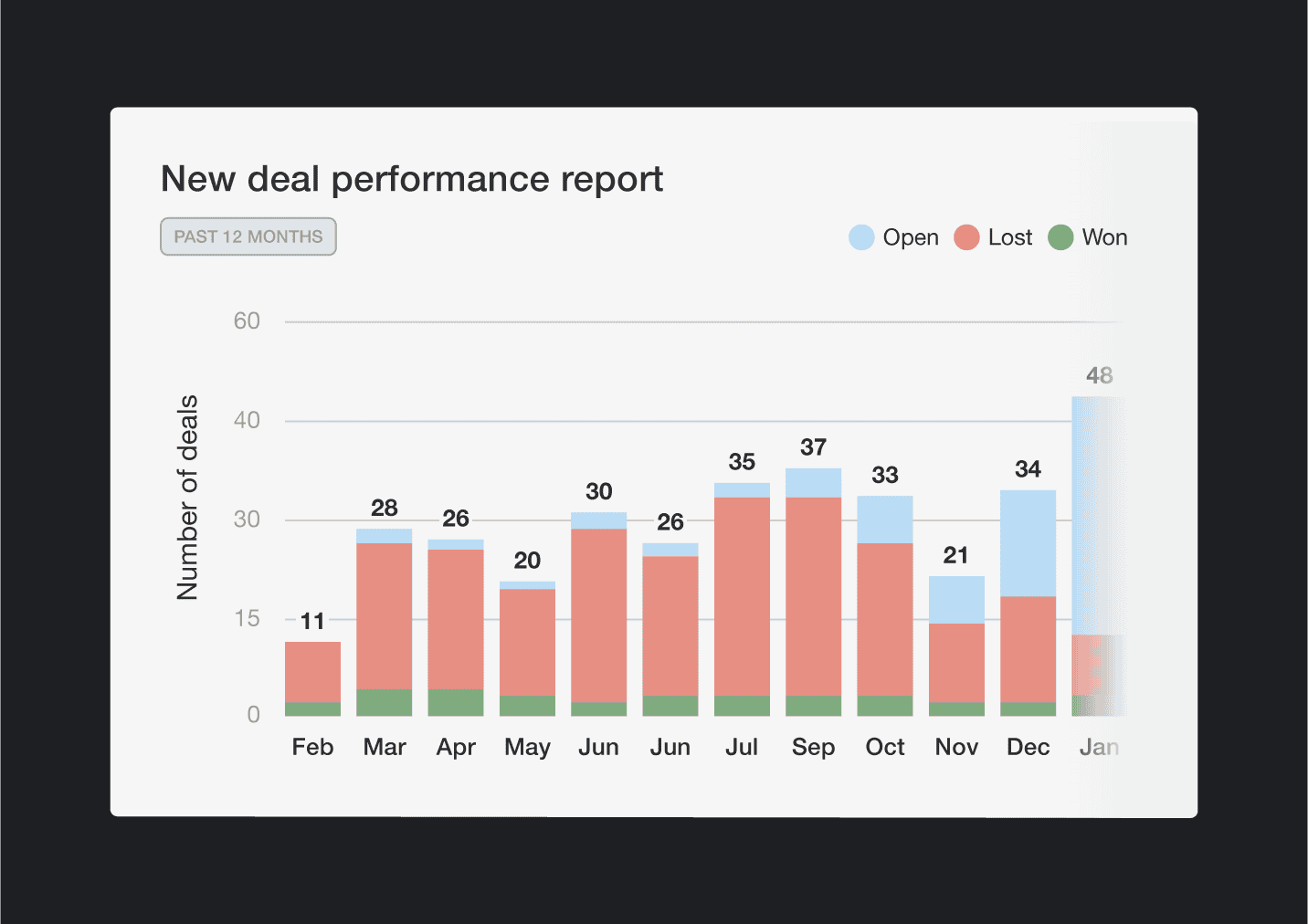
While there’s no guarantee this increase (at a time when many companies are losing leads, not gaining them) was caused only by product page mapping, we can assume it was at least partly responsible. This is especially true as we’ve seen more potential deals with healthcare-related businesses since launching the new industry page in 2025.
And, by speaking the specific language of SaaS CMOs, fintech founders, and other potential customers, we’ve worked to win the AI visibility gap.
With scores running as high as 79% visibility in relevant queries, Siege Media outshines closely ranked competitors with comparable products, gaining invaluable mentions and citations across LLMs (even when query fan-outs cover a variety of industries and solutions).
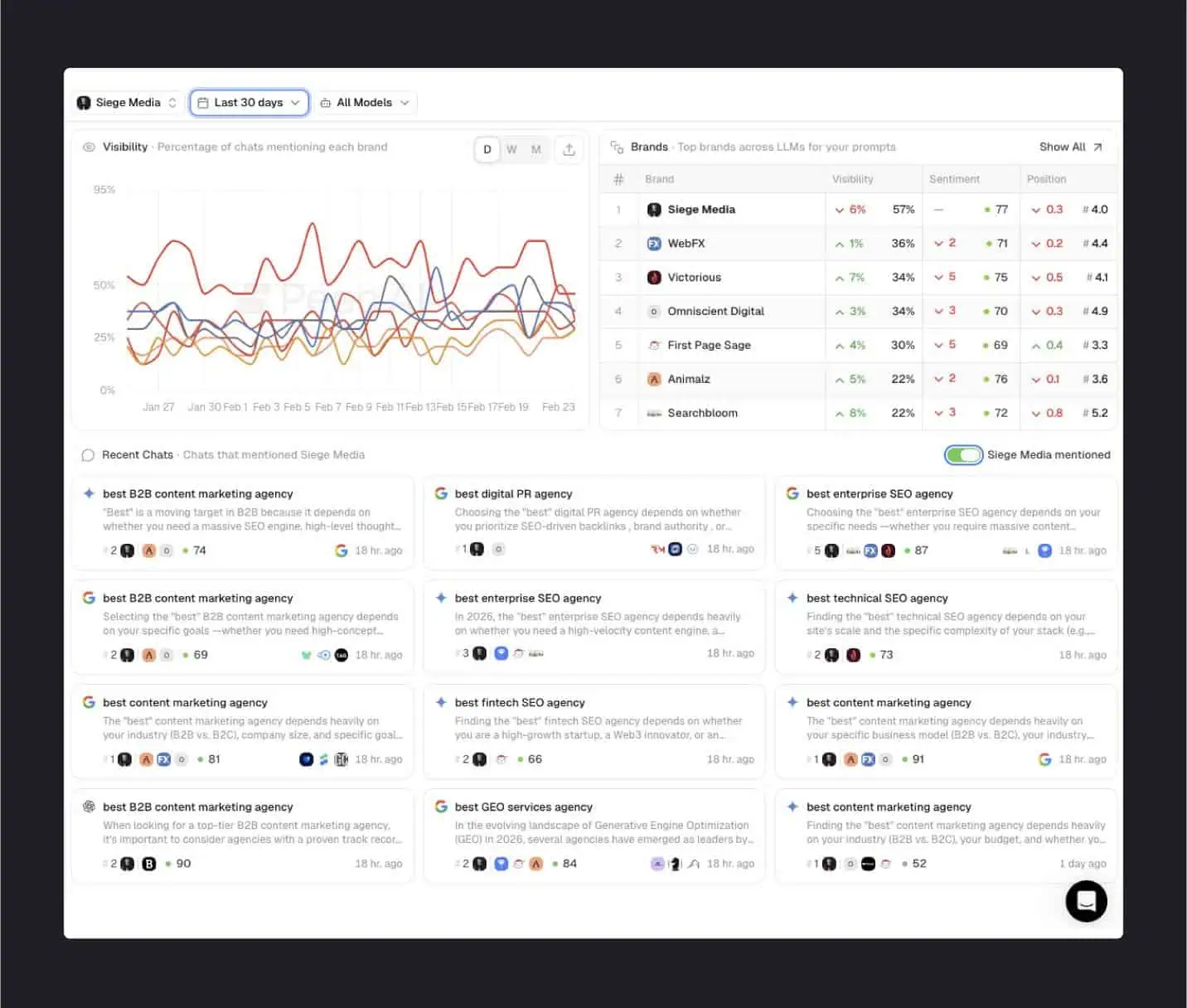
This is product page mapping at its inception, but we’re passionate about closing the gaps — we don’t want (nor can we afford) to let anyone slip through the cracks.
“The more content you have that speaks tightly to a given ICP, the better you’re likely to convert within that audience. But beyond conversion, it’s now also about accessibility. Not specifying your expertise or relying on LLMs to guess your product’s suitability makes you invisible in the new patterns of modern search.”
Ross Hudgens
Founder/CEO, Siege Media
Drive Real Authority and Results With Product Page Mapping
By committing to product page mapping, you’re devoting yourself to being the most helpful answer in your industry. This architectural shift allows you to confidently speak the language of your human buyers and growing generative engines. And clear, navigable maps move you from hoping for discovery to securing it.
Rankings, mentions, and citations will belong to those who provide the most direct product paths supported by robust strategies that prioritize data-rich, industry-specific insights. Learning how to appear in LLMs using digital PR while strategically adjusting your technical architecture is the way to ensure your brand is the one cited when the query finally fans out.
So, as marketers continue to invest in GEO services, don’t forget that a well-designed map can be the difference between discovery and invisibility.