Top-funnel content attracts customers. Bottom-funnel content seals the deal — and just may garner LLM mentions and citations, too.
Like a baseball team needs a stellar close-out pitcher, your content marketing strategy needs a powerful lead closer. While you don’t always need bottom-funnel (BOFU) content to make a sale, you need it on-deck so you don’t lose customers to your competition.
To set your bullpen up for success, keep reading to learn what BOFU content is, why you should care about it, and proven examples to build your own strategy off.
- What Is BOFU Content?
- Why Should You Care About BOFU Content?
- Types of Bottom-Funnel Content (+ Examples)
- Best Practices for a Conversion-Forward BOFU Strategy
- Turn Leads Into Loyalty With Optimized BOFU Content
- Frequently Asked Questions
What Is BOFU Content?
BOFU content (also called bottom-of-funnel content) targets prospective buyers near the end of the customer journey. This content offers product or brand information they want and the push they need to make a purchase.
Bottom-funnel content should answer customers’ questions and give them a compelling reason to opt in or trust the brand.
Key components of BOFU content include:
- Direct and persuasive language
- A focus on conversions
- Tailored messaging for specific customer needs
- Language highlighting key features and benefits
- Social proof
- A clear call to action (CTA)

Why Should You Care About BOFU Content?
Your bottom-funnel content can make or break a potential sale, capturing intent at the exact moment a lead is ready to convert. Of course, not every conversion comes from BOFU content, but it also plays a pivotal role in garnering visibility in generative search.
For a well-rounded strategy, bottom-funnel content offers:
- High conversion intent: By providing product-specific details, you reduce friction in the buying process and increase the likelihood that your leads will become customers.
- Generative engine optimization (GEO) perks: Product-led content provides the authoritative, factual data that AI search engines need to confidently mention or cite your brand.
- Shareability: A well-designed product mapping guide or a deep-dive case study is often shared among internal stakeholders to convince decision-makers without face-to-face interactions.
- Brand authority and E-E-A-T: Bottom-funnel content allows you to showcase your authority, signaling to search engines and readers that you aren’t just a content site — you are a solution provider.
However, the value of your BOFU content depends on the type of content you produce and your execution. When done well, this content can accelerate business growth, drive customer conversions, and put you in front of your audience across traditional search and LLMs.
Types of Bottom-Funnel Content (+ Examples)
Creating a BOFU content strategy that converts is easier said than done. It’s important to choose content formats that align with your offerings, brand, and customer needs. Below, we identify the common types of bottom-funnel content (and stellar examples) to help you drive conversions and stand out against your competitors.
1. Case Studies
Case studies are an opportunity to brag about your customers’ success and satisfaction resulting from your efforts. There’s no one right way to create a case study, but you should strive to highlight:
- Customers aligned with your buyer personas
- Success stories that demonstrate your unique value proposition
- Data that supports the narrative
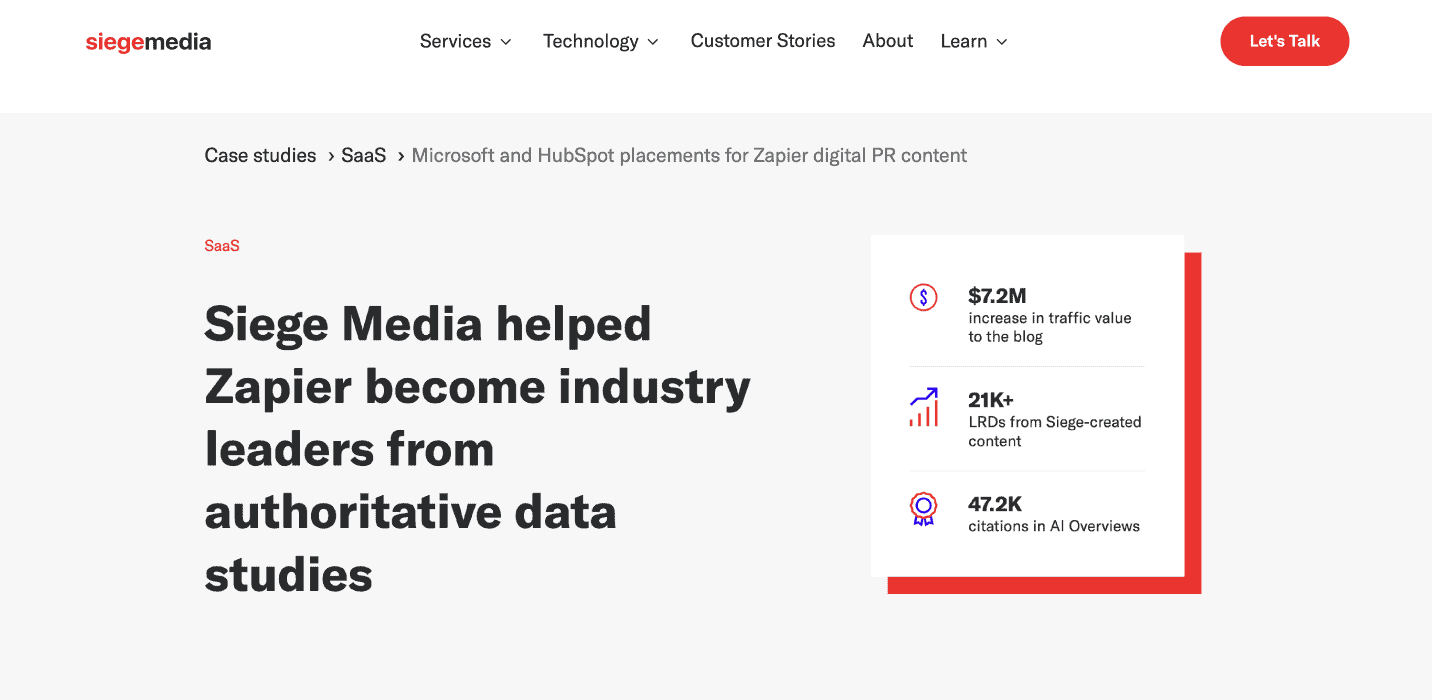
Zapier case study example:
Our Zapier case study provides a detailed account of our work to grow Zapier’s AI Overview (AIO) citations. This study also includes concrete data to support specific examples, providing a complete picture of our approach and results.
2. Alternative Posts
Creating alternative posts for your biggest competitors lets you highlight your differences and show why customers should choose you. Successful posts offer factual looks at features, costs, and solutions, effectively positioning your brand as the top choice.
Mentimeter’s alternative post example:
Mentimeter is an interactive presentation tool, and one of their main competitors is Kahoot!, a gamified learning platform. Their strategic Kahoot! Alternatives page positions Mentimeter as the superior tool by highlighting its unique features.
As a result, this page generates $4.8K in traffic value each month, has earned 20K clicks since going live, and has driven 1.7K total sign-ups.

3. Comparison Posts
Comparison posts hone in on what sets your business apart from top competitors, diving into how your brand compares to another. This allows you to appeal to customers who may be torn between similar options — and a “vs.” post is the perfect opportunity to highlight critical differences that can tip the scales in your favor.
Aline’s comparison post example:
As a senior living software company, Aline operates in a niche industry with fierce competition. By creating a number of “vs.” posts, like Aline vs. Eldermark, Aline emphasizes features that matter most to its clientele, such as customer service availability and integrations.

4. “Best X” Roundups
Similar to alternative posts, roundups of the best products, services, and other offerings give you a chance to position your brand as the top choice in a given category. By creating “best X” BOFU content, you can give potential customers an honest look at what you and your competitors have to offer.
Zendesk’s “best X” example:
Zendesk’s post on the best customer experience software offers a comprehensive look at popular options, including top competitors. With a heavier focus on Zendesk’s software, its unique features, and the benefits it offers, this post provides the information users need to make a decision.

5. Testimonials and Reviews
Social proof is a notoriously powerful marketing tool. Unlike many other types of bottom-funnel content, testimonials and reviews have a home in a variety of places, such as:
- Website home pages
- Dedicated review pages
- Landing pages
- Social media
- Existing BOFU content (e.g., case studies)
Targeting “[product] review” keywords may be your best chance at ranking alongside third-party sites. No matter how you intend to use reviews and testimonials, it’s a good practice to request them from satisfied customers so you have access to a library for later use.
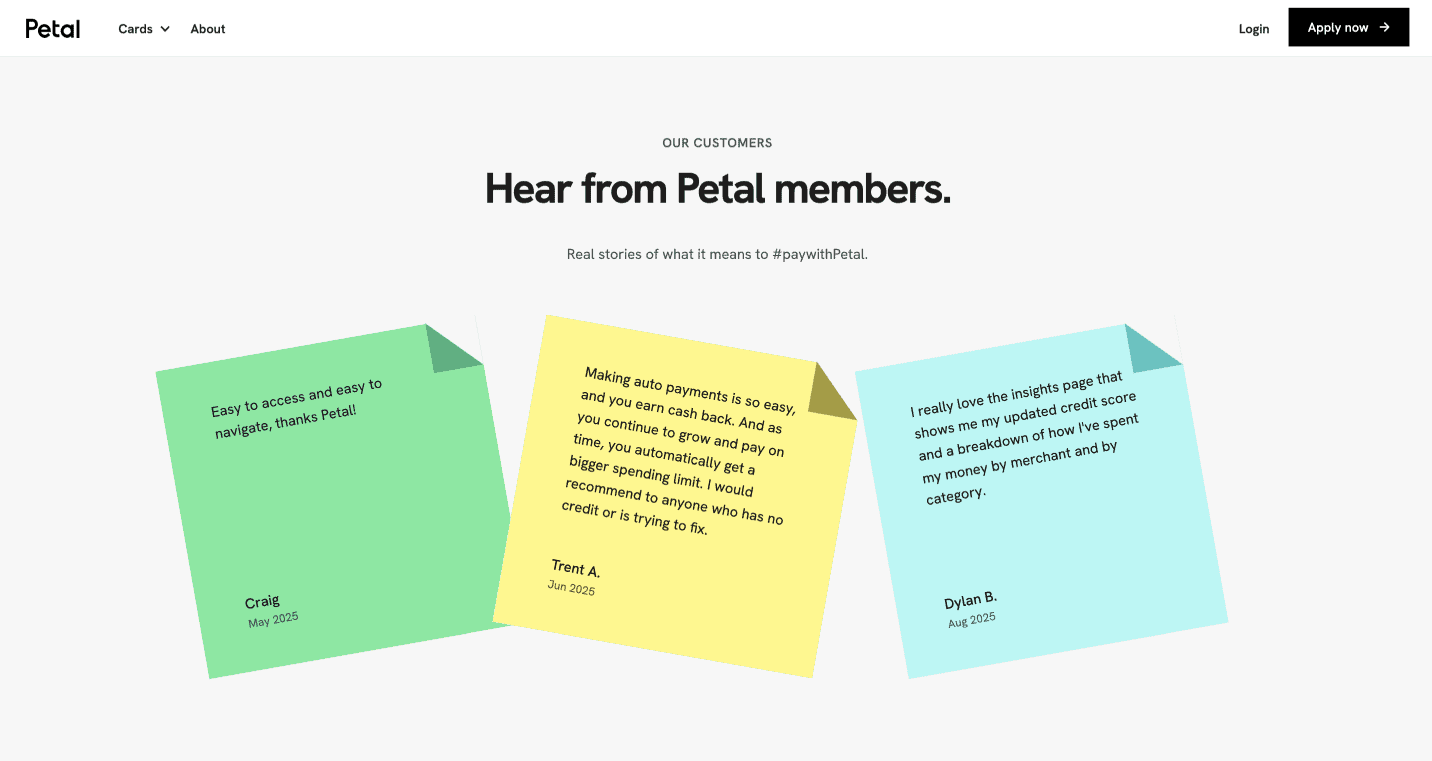
Petal’s reviews page example:
Using the brand’s colors and design guidelines, Petal’s reviews page offers real stories from its customers. By highlighting the experiences of its own customers, Petal gives potential leads a look into what it values and how it supports customers.
6. Product Features and Use Cases
Highlighting the unique features of your products, along with specific uses, can give your customers a better understanding of what sets you apart. This is also a BOFU tactic you can blend into other pieces of content to provide more value, guide customers to the next stage of the funnel, and encourage conversions.
Zapier’s product features and use cases example:
The bulk of the content on Zapier’s MOFU “no-code” blog is informational, but the inclusion of a complete product list and use cases provides additional insight into how their products can enhance workflows and improve efficiency.

7. Buyer’s Guides
A buyer’s guide is a comprehensive resource (typically a blog article, checklist, or downloadable document) that offers product reviews, comparisons, and advice to help readers make a purchase decision. Buyer’s guides should be as detailed and objective as possible to provide customers with the information they need to make a purchase decision.
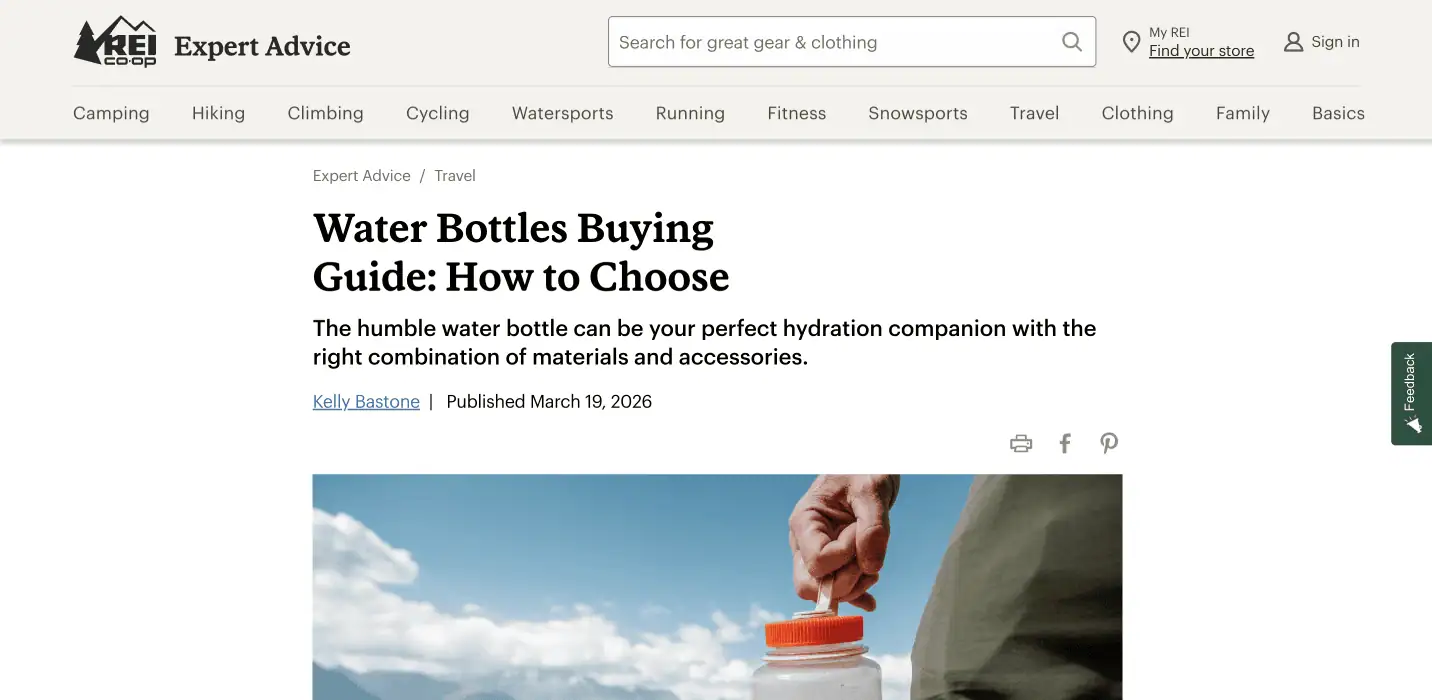
REI’s buyer’s guide example:
REI’s “Water Bottles Buying Guide” post is a detailed example of a complete buyer’s guide. This breakdown of how to choose a bottle, cap, capacity, and features offers distinct purchase options for specific activities and needs.
8. Pricing Pages
Customers at the end of the marketing funnel want concrete information. Pricing pages with clearly listed costs for your offerings can help customers make a decision. Plus, keeping these prices up to date provides customers with accurate estimates before speaking with a representative.
Note: If the price of your product varies based on individual user needs, a static guide could mislead your customers.
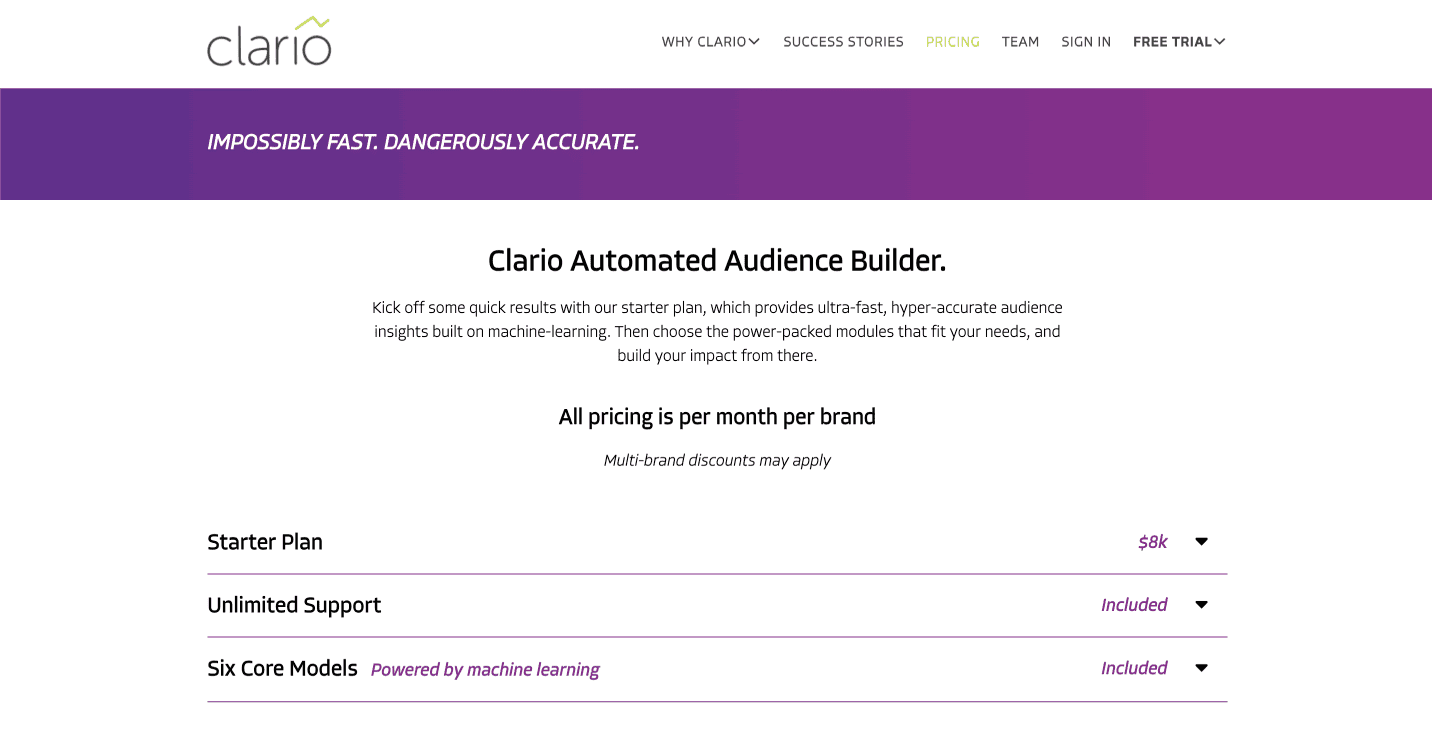
Clario’s pricing page example:
Clario’s pricing page offers a transparent look at the brand’s cost and optional add-ons. This allows users to see the potential costs of the product based on their needs or budget restrictions.
9. Demonstration Videos
Show your customers exactly what to expect with a detailed demo video. This inside look at your product’s functionality can clearly demonstrate that you have the solution your customer needs. Tailor your demos to your target audience to determine what processes and features you want to highlight to help them make their decision.
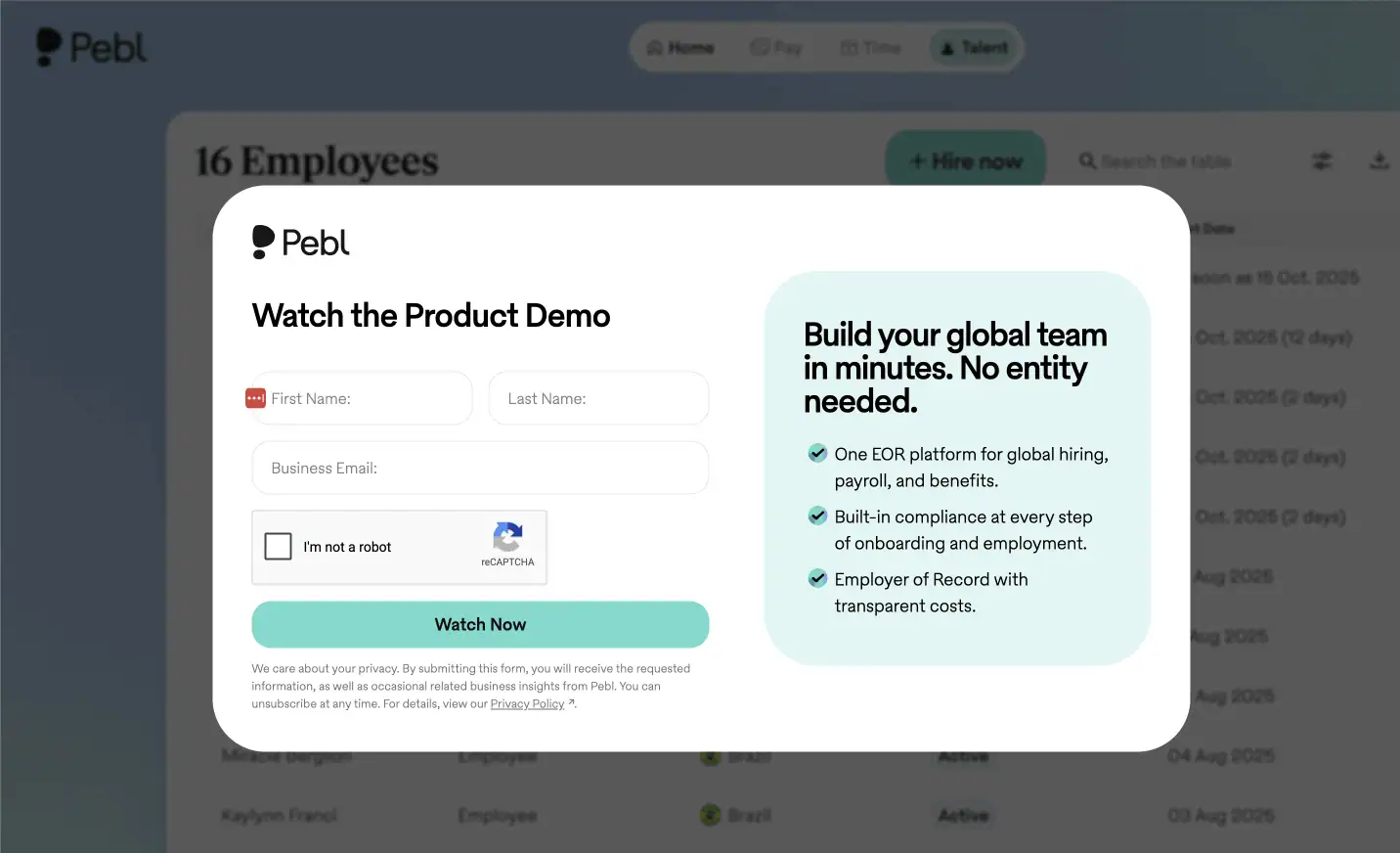
Pebl’s demo video example:
Pebl, formerly Velocity Global, includes a “Watch Demo” button on its main menu, making it easy for customers to access at the end of the buyer journey. A SaaS business like Pebl benefits from a high-quality demo video that gives customers a closer look at how they can use the software day to day.
10. White Papers and eBooks
Most common in B2B marketing, white papers, eBooks, and other gated content can establish your business as a true authority with unique insights and thought leadership. These content formats typically include a thorough exploration of a problem with supporting research to position your product as a suitable solution.
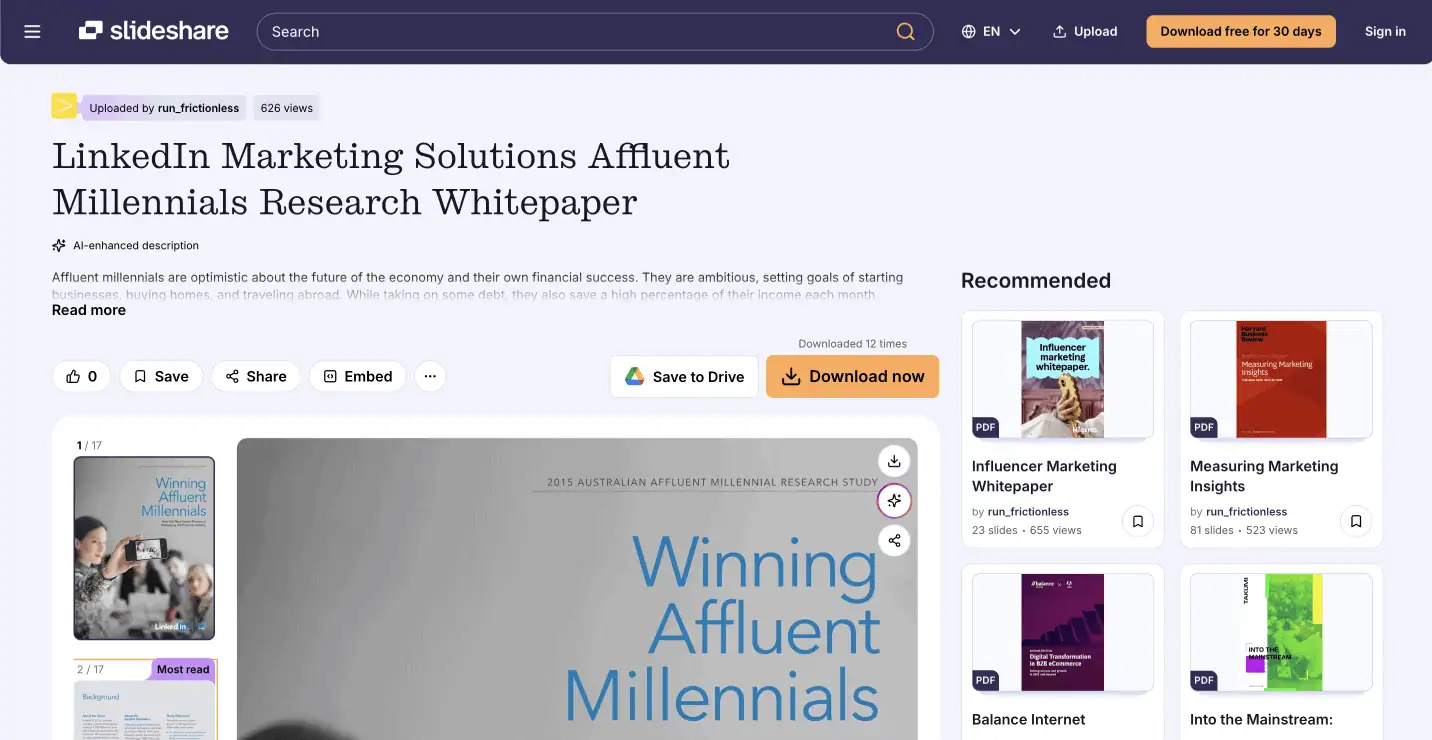
LinkedIn’s white paper example:
LinkedIn’s “Marketing Solutions Affluent Millennials Research” white paper covers a global study about millennials and their impact on the financial industry. The paper delves in depth into the data and methodology beyond what an average blog post could cover.
11. Webinars and Training Courses
Hosting webinars, training courses, or certification programs builds your authority as a key player in your industry. Whether you’re educating participants on intro-level topics or offering unique tips for how to maximize the benefits of your product, these content formats can cultivate engagement and serve as valuable lead generation tools.
Cin7’s webinar example:
Cin7, an inventory management software company, hosts Cin7 Academy, a free resource for users to learn how to use Cin7 software effectively. These complimentary training courses are a valuable resource for Cin7 users, providing insider knowledge for how to best use their products.

Best Practices for a Conversion-Forward BOFU Strategy
A conversion-focused content strategy should include top-, middle-, and bottom-funnel content to meet your audience at every stage of the funnel. And successfully executing a BOFU strategy requires a combination of effective SEO/AEO, graphic design, and copywriting to close the deal.
To optimize your BOFU content and strategy:
- Research BOFU keywords: BOFU keywords, like “best X,” “brand vs. competitor,” and “competitor alternatives,” may have low search volume, but searchers are ready to make a purchasing decision.
- Match pain points to solutions: Be blunt about your product or brand’s capabilities, and clearly communicate your solutions.
- Consider audience needs: Get into your customer base’s mindset and curate content for their personas using feedback and data.
- Use consistent CTAs: Guide readers toward conversion with minimal obstacles and use clear language in visible locations.
- Build strong content design: Tables, detailed graphics, and engaging videos present information in digestible, memorable ways.
- Build out your linking strategy: Building high-value bottom-funnel links (both inbound and outbound) can increase traffic and conversions, boosting reach and profitability.
- Offer tangible value: Incorporate expert insights and proprietary data into BOFU content to position your business as an industry authority.
- Keep it fresh: Do more than update the year or metadata; ensure pricing, product descriptions, and key features are up to date through regular content refreshes using tools like DataFlywheel.
Turn Leads Into Loyalty With Optimized BOFU Content
Creating bottom-funnel content that converts requires a thorough understanding of your business, product, customer base, and industry. Plus, a successful strategy adds value to potential customers and signals to LLMs your authority and solutions.
At Siege Media, our impactful content marketing services deliver results at every stage of the funnel. Our team is equipped to build content that drives value, trust, and authority among your customers, increasing traffic and conversion rates.
Reach out today to move the needle with powerful BOFU content.
Frequently Asked Questions
What’s the Difference Between Upper-Funnel vs. Lower-Funnel Content?
The main difference between top-funnel content (TOFU) and bottom-funnel content is intent:
- Upper-funnel content generates brand awareness and authority.
- Lower-funnel content aims to generate conversions.
Creating content for every stage of the funnel is critical; you can’t close a deal if customers don’t know who you are, and focusing only on informational content won’t bring your customers closer to a purchase.
What Are Bottom-of-the-Funnel Metrics?
BOFU metrics, such as conversions, revenue, and return on investment (ROI), are an important part of measuring the success of the overall funnel.
What Is the Bottom of the Funnel for SEO?
In SEO, BOFU content uses conversion-focused strategies to target customers in the buying stage of their journey, driving conversions and revenue.